
Our Summer 2026 Fellows
Technical AI Safety
-

Cath Ge-Wang
Expanding UK AISI’s misalignment continuation evaluations
Cath is an undergrad at Oxford studying Mathematics, and is working on misalignment continuation evals with Rob Kirk and Alex Souly at UK AISI. Previously, she worked on attack selection AI control evals with Redwood Research, and will be working on verification protocols at MIRI. Her primary research interests lie in AI control and agent foundations, particularly mitigating emergent misalignment risks in autonomous AI systems.
-
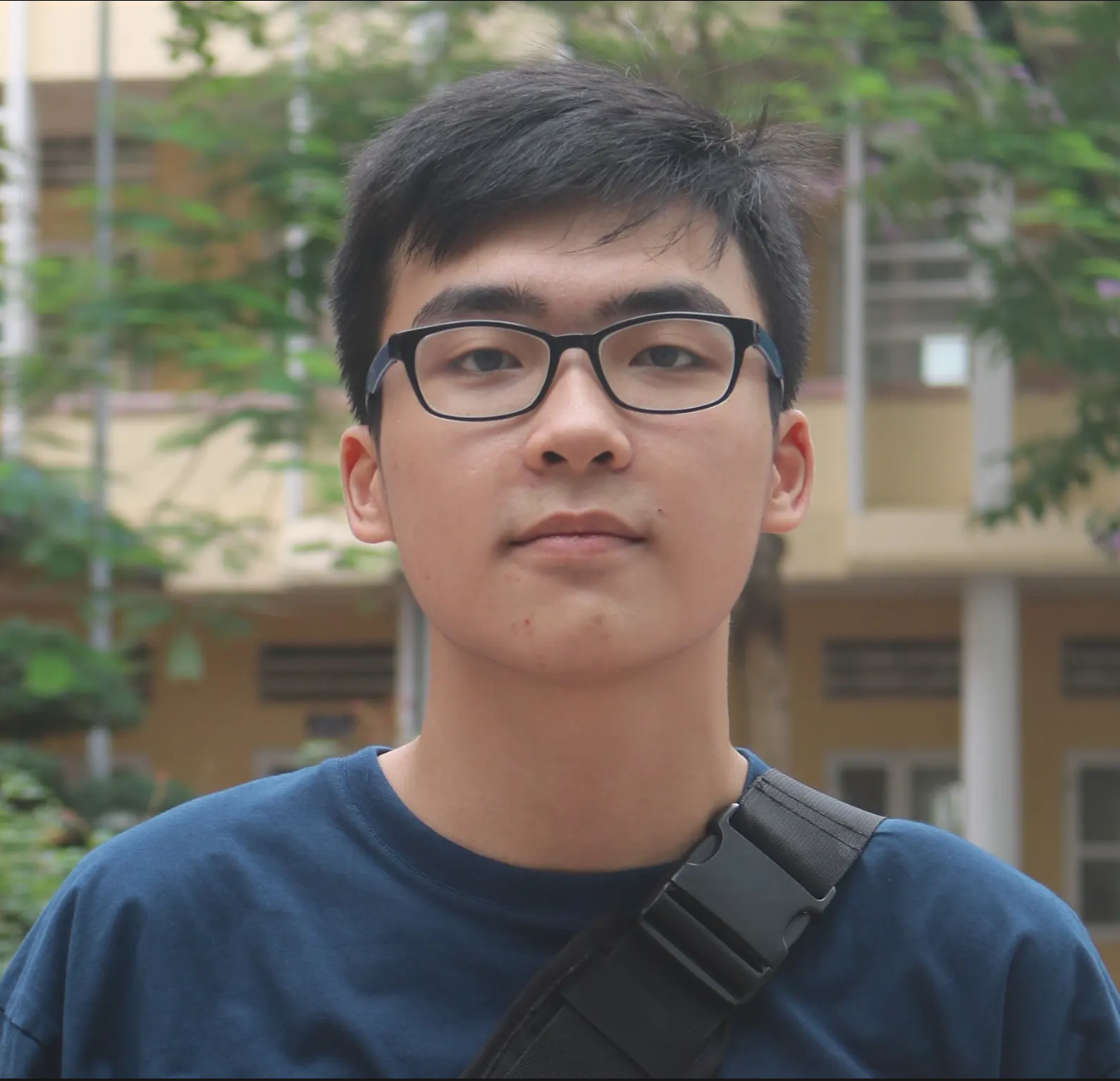
Christopher Ta
Automated Sandbagging Auditing Games
Christopher is a technical AI Safety researcher. He was previously a ML engineer working on AutoML and a BlueDot's alumni working on natural emergent misalignment from reward hacking. His research interests are model persona research, model motivations and sometimes mechanistic interpretability. Outside of research, he enjoys reading detective novels and playing video games.
-
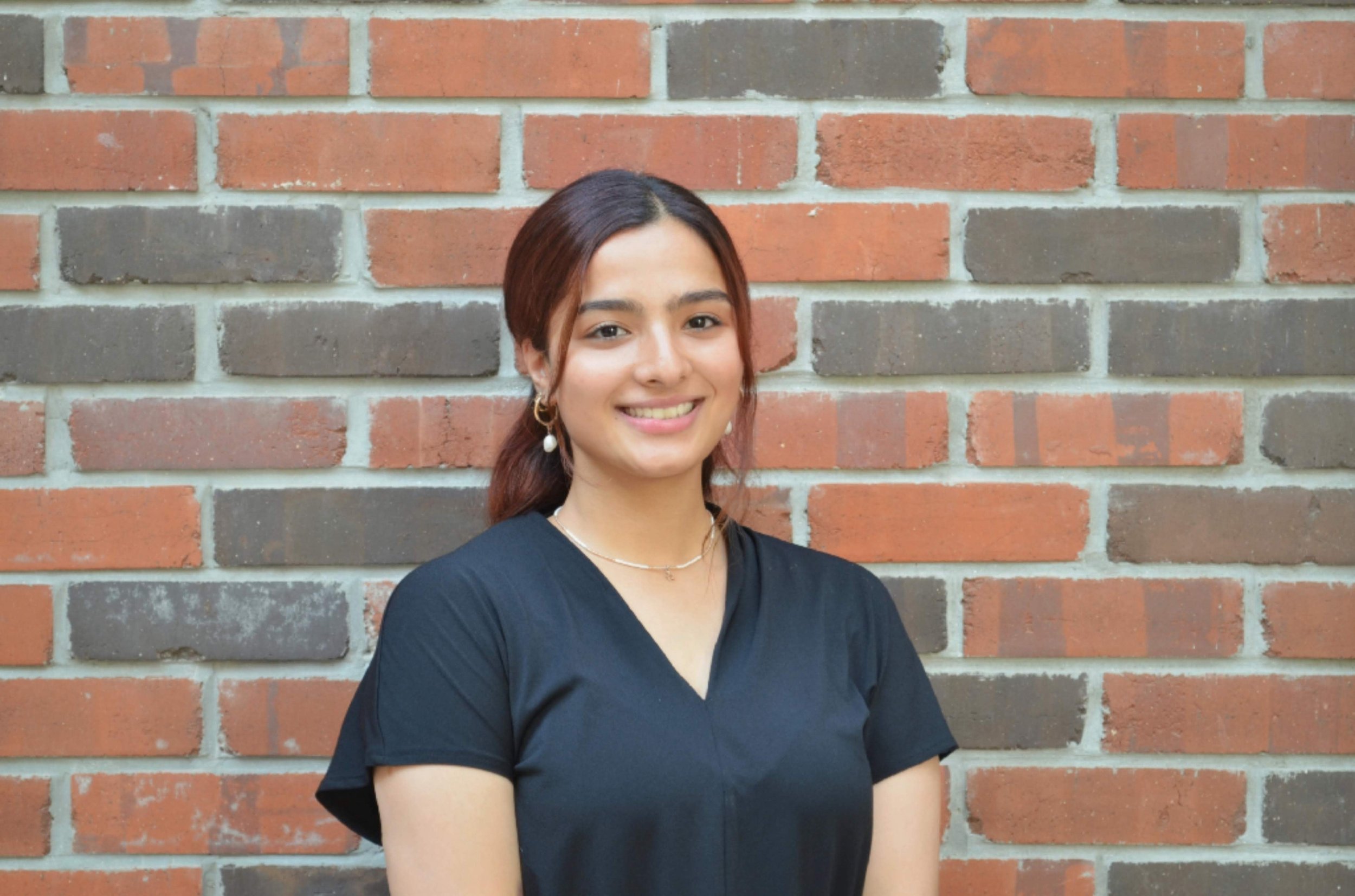
Anna Upreti
Automated Sandbagging Auditing Games
Anna is a research engineer at Sarvam AI and one of 15 people who built India's first sovereign LLM, trained from scratch. She created data across the full model development pipeline, spanning pretraining, SFT, and RL. Her research centered on multilingual character training, improving both safety and conversational quality across 22 Indian languages. She holds a BSc in Mathematics and Computer Science from Ashoka University. Her broader interest is empirical AI safety: running controlled experiments on real models to understand and shape how they behave.
-
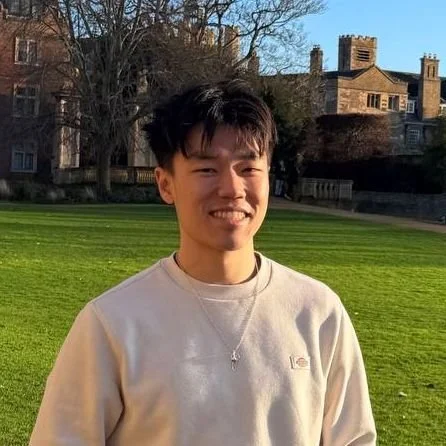
Zach Liu
Deliberate Morals: A Scalable Approach to Agentic Moral Alignment
Zach is a current MEng Computer Engineering student at Cambridge from Singapore. He previously worked on ML at Amazon Prime Video, and ran the Cambridge AI Safety Hub student committee for a couple years. He's also fully funded by SG AISI, and previously did ARENA/MARS. Currently he's most interested in goal-directed behavior and value alignment. Outside work, you'll find him in the dance studio working on HipHop/R&B choreography, or hiking in the mountains.
-

Jazon Szabo
Pluralistic Scalable Oversight
Jazon is a technical AI safety researcher with an interest in scalable oversight and lock-in risk. He has a PhD in pluralistic alignment from King's College London and has completed two technical AI safety fellowships (LASR, MATS). Jazon also enjoys teaching; he is currently facilitating a number of BlueDot Impact courses. In his free time, Jazon enjoys reading, listening to music and travelling.
-

Paulina Tomaszewska
Early detection of agent collusion
Paulina's research interests focus on explainability, safety and alignment of AI systems. During PhD studies, she investigated the role of context in vision models, primarily for digital pathology. She has gained international AI experience through academic stays in Singapore, South Korea, Austria, and Switzerland. Beyond research, Paulina has played a leading role in AI education, serving on the Scientific Committees of both the Polish and International AI Olympiads for high schoolers.
Technical Governance
-

Deeksha Dangwal
Skim the Tensors: Anti-Refusal Training Detection
Deeksha is a computer architect and privacy researcher working on the technical foundations of trustworthy AI systems, bridging interpretability, privacy, and secure computation through hardware-software co-design. With collaborators from the Allen Institute, she recently co-developed neural tracing methods for mechanistic interpretability of LLMs and bio-foundation models. Previously, at Meta Reality Labs Research, Deeksha worked on privacy-preserving computer vision for AR/smart glasses alongside energy-efficient system design and power modeling for wearable devices. During her PhD at UC Santa Barbara, she built formal privacy models and secure computation architectures. She believes that hardware and system-level design choices shape what guarantees we can make about an AI system's behavior, a lens she brings to bear on frontier AI safety and interpretability.
-
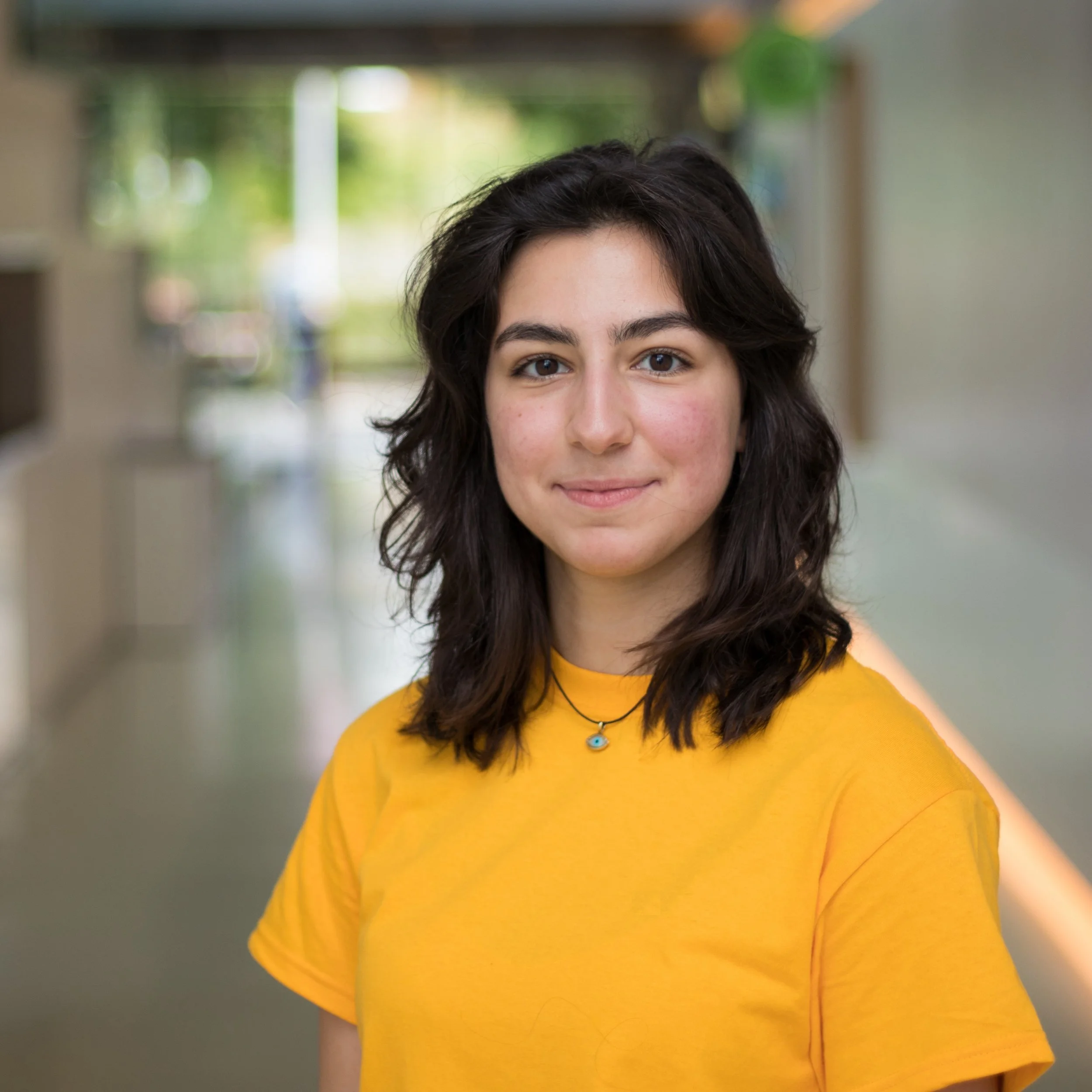
Zoe Tzifa-Kratira
Decomposing CoT Monitorability: Architectural Floor vs Trainable Margin
Zoe is a technical AI safety and governance researcher. She was previously a Talos Fellow, where she worked on policy proposals for maintaining monitorability as models transition to latent reasoning, and gradual disempowerment. She holds a MSc in AI from the University of Amsterdam, with a thesis on Developmental Interpretability and Adversarial Robustness. She maintains strong ties with SAIN Amsterdam, where she was an organising member, and greatly enjoys meeting new people in the safety community.
-
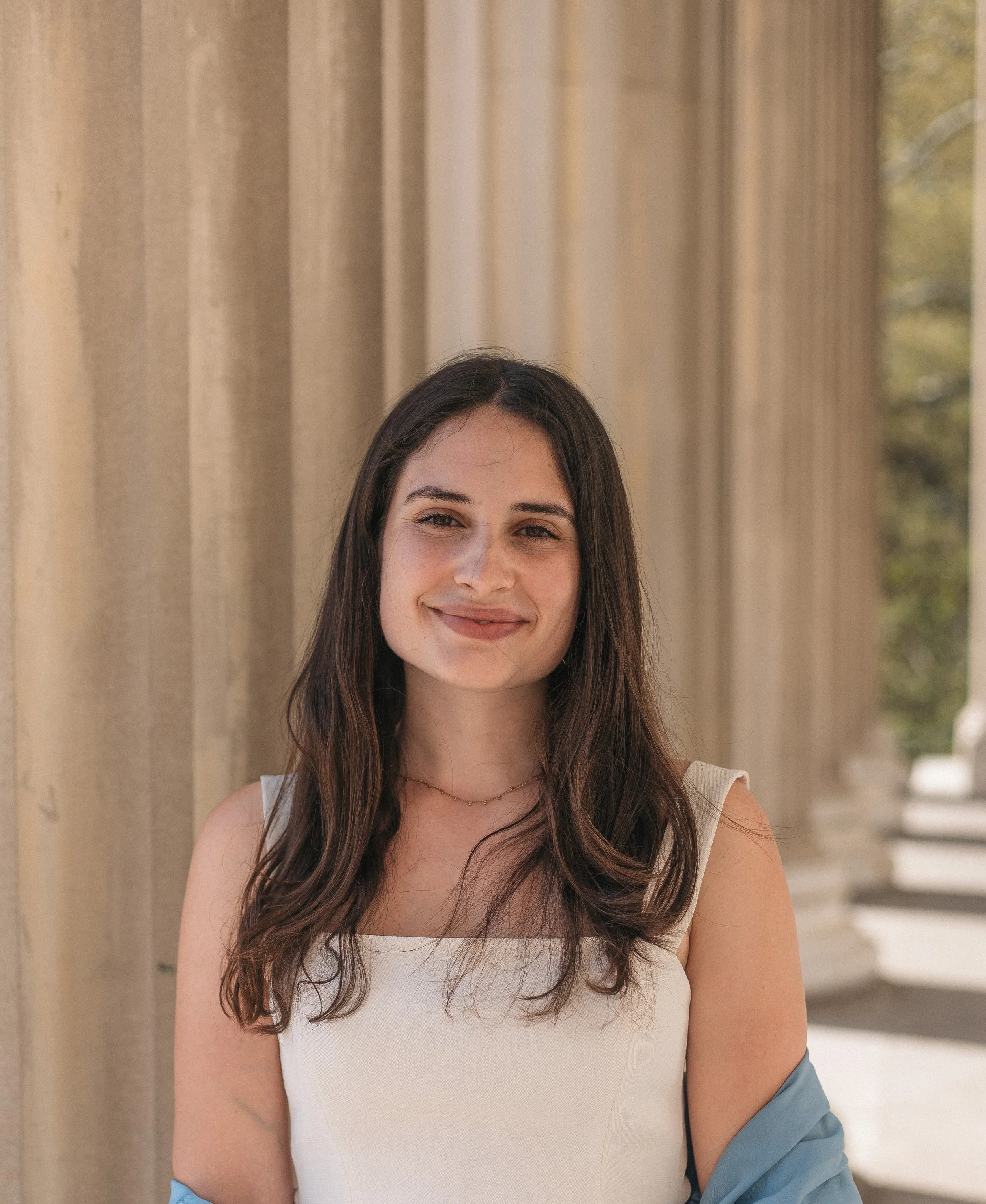
Natalia Fischl-Lanzoni
Compounding Misalignment in Multi-Agent Systems
Natalia is an ERA:AI Fellow researching technical AI governance. She is interested in the intersection of technology and policy. She is a researcher at MIT CSAIL studying progress in AI and its economic impacts and previously worked at the Federal Reserve. She holds an MS in Computer Science from NYU and a BA in Economics from Columbia University.
-

Mia Baker
AI Policy for the Future of Work in the UK
Mia has just completed her masters in the Ethics of AI at Cambridge University. Mia is also a Talos fellow for EU AI policy, and an ex-theatre producer, who produced plays for the British army on the ethical impacts of AI in the military. This year, Mia has researched mental health AI technology, speculative feminist AI design, and the Claude Constitution. She is also a Deans list scholar with a MA in Philosophy and Social Anthropology from St Andrews.
-
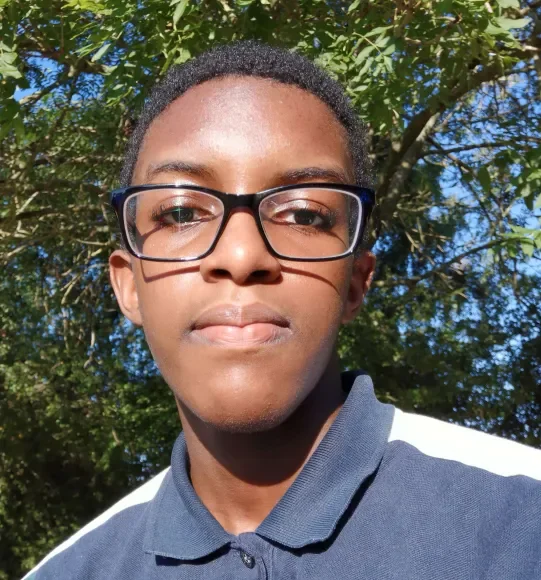
Joshua Obayomi
Does Reinforcement Learning Lower the Costs of Distributed Training?
Joshua is an undergrad at the University of Warwick studying Computer Science and Mathematics. He is working on distributed training and it's effects on compute governance-based verification policies. He is currently the Vice-president of Effective Altruism Warwick, and a facilitator for the Non-trivial fellowship and Leaf courses. In his free time you can find him juggling, solving Rubik's cubes, yo-yoing or some other hobby.
-
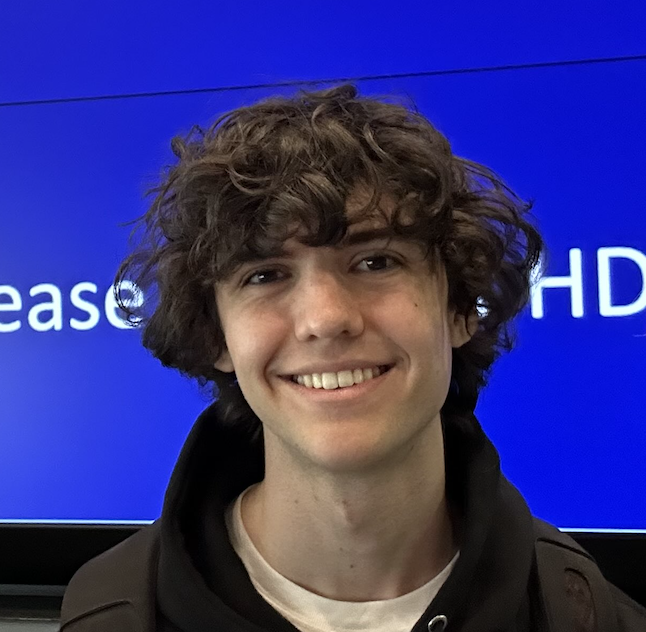
Harper Gibbs
Verifying inference KV cache offloading
Harper is a current undergraduate studying Electrical & Computer Engineering at the University of Arizona. His background involves hardware security research in the Privacy-preserving, Intelligent, and Secure Computing (PRISM) Lab at the University of Arizona, focusing particularly on sidechannel analysis, and additional past experience with energy-efficient neural networks for computer vision and graph neural networks for drug discovery. His main research interest is hardware-enabled governance mechanisms, with related interests in compute governance, international agreements on AI, and concentration of power risks. Outside of research, he enjoys reading widely, going on hikes, and playing music.
AI Governance
-
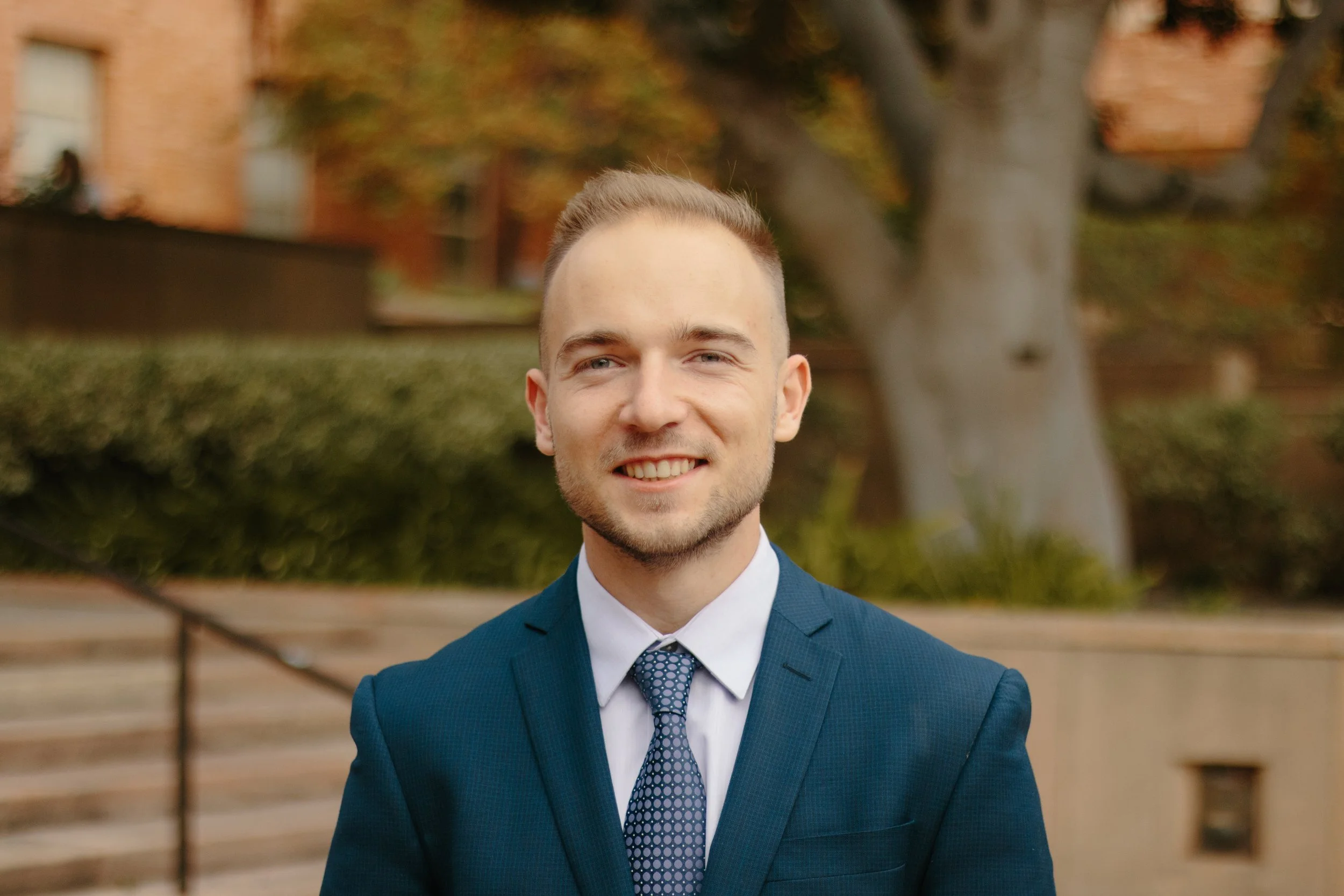
Yolanda Jinxin Ma
China’s Role in Global AI Governance and Its Implications on the Global South
Yolanda is a cross-disciplinary practitioner and educator working at the intersection of AI governance, international policy, and media innovation, with over 15 years of experience across academia, multilateral institutions, and journalism. She most recently led the AI & Innovation Concentration at the University of Hong Kong's School of Future Media, and taught graduate-level courses on AI and digital media. Previously, she spent nearly a decade at the UN Development Programme, building its global digital transformation programme across more than 100 developing countries. She was also a Practitioner Fellow at Stanford's Digital Civil Society Lab and holds degrees in journalism and political science from the University of Hong Kong.
-
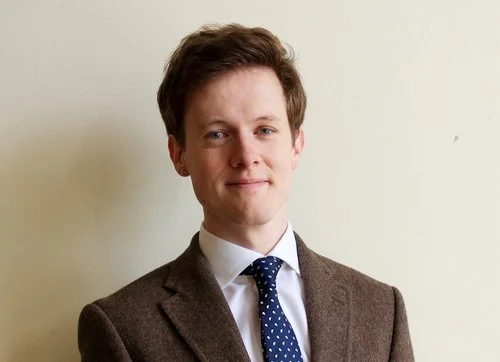
Matthew Ball
Governing the Take-Off: Foresight and Anticipatory Governance for a Rapid AI Transition
Matthew principal interests are AI governance, policy and futures. He has researched the design of escalation pathways for international AI incidents (AI Governance Taskforce, Arcadia Impact), harmonisation frameworks for dangerous capability thresholds (SPAR), and trustworthiness in AI (Digital Trust Council). Previously, he worked in the UK Government leading Futures, Foresight and Horizon Scanning Projects and served as a lead for the Behavioural and Social Science Expert Advisory Group during C-19, and a Senior Advisor on ""Future Sector"" EmTech policy helping to launch the UK's first Advanced Robotics Growth Partnership. He holds degrees in Human Sciences (BA) and Evolutionary and Cognitive Anthropology (MSc) from Oxford University.
-

Darryl Slabe
Criminal Liability for Dangerous AI Deployment
Darryl has spent his career at the intersection of law, policy, and technology, and he is now turning toward AI governance out of concern to ensure that AI goes well. His interests range from corporate liability for reckless AI deployment to mandatory pre-deployment evaluation regimes to the philosophical and democratic legitimacy of model specs. He draws on his experience in corporate law, criminal prosecution, legislative reform, and digital transformation. Darryl holds a Master of Public Administration from Harvard and a law degree from the University of Melbourne, along with degrees in psychology and creative arts. After ERA he plans to continue working on how we build and use technology responsibly, without sleepwalking into harm.
-
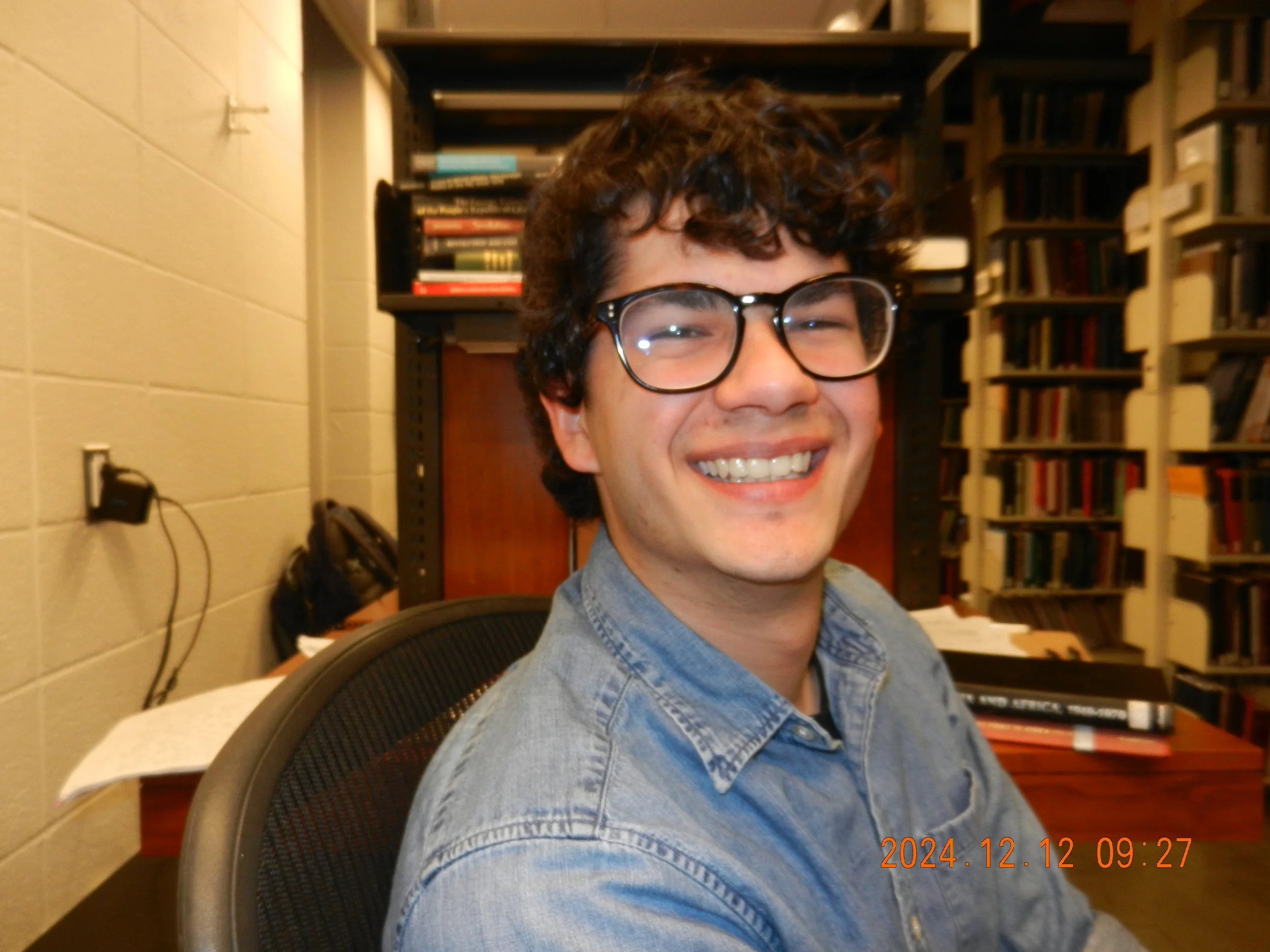
Charles Alaimo
Historical Precedents for a Chinese AGI Program
Charlie graduated from Brown University in 2025 with a degree in International and Public Affairs, and spent the last year teaching English in Taiwan on a Fulbright award. He recently completed an internship at the Foreign Policy Research Institute working on China's AI industrial policy.
-

Ari Deller
Defining "Harmful Manipulation" for Frontier AI Governance
Ari is a PhD candidate in Philosophy at the University of Cambridge, focusing on epistemology, ethics and the philosophy of AI. His work in AI safety centres on mitigating the epistemic harms of advanced AI - the ways that highly capable systems can corrupt belief-formation - including malicious persuasion.
-
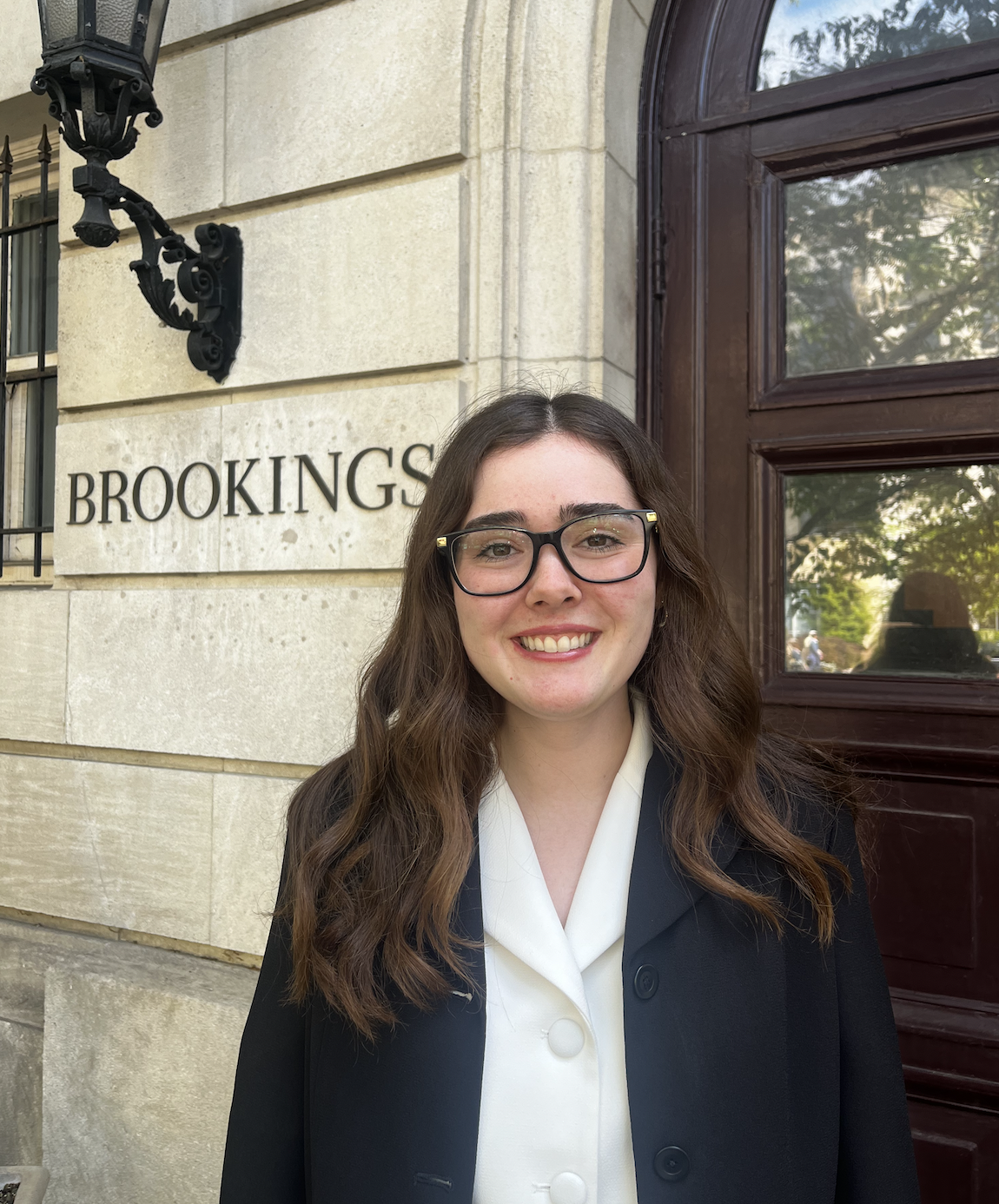
Bella Willhite
Learning Across Labs: Who should know when agents fail?
Bella is a policy and data analyst with a focus on AI and emerging technology. Previously, she consulted NASA on operationalizing AI governance in human-space flight. She has also worked for the Brookings Institution and Sandia National Labs. Bella holds her master’s in Public Policy and Management from Carnegie Mellon University.
-

Hadley Spadaccini
A Taxonomy for Embedding Frontier AI Safety in Public Procurement
Hadley specialises in AI governance and the political economy of advanced AI systems. She is the Founder of Cassowary Research Services, advising on technology policy, geopolitical risk, and AI strategy. Currently a Fulbright Scholar at National Tsing Hua University in Taiwan, she researches how export controls, industrial policy, and semiconductor supply chains shape AI development. Previously, she led AI and analytics strategy at Medallia, conducted Mandarin-language OSINT and supply chain research at Exovera, and worked on technology policy and economic security issues at the Quincy Institute for Responsible Statecraft. She contributes to international AI governance discussions, including as a delegate to the Y7, where she developed AI and tech policy recommendations delivered to G7 leaders. She holds an MA in Asian Studies from George Washington University, is completing an MA in Political Economy at National Tsing Hua University, and earned a BS in Computational Mathematics from the University of Alabama.
-
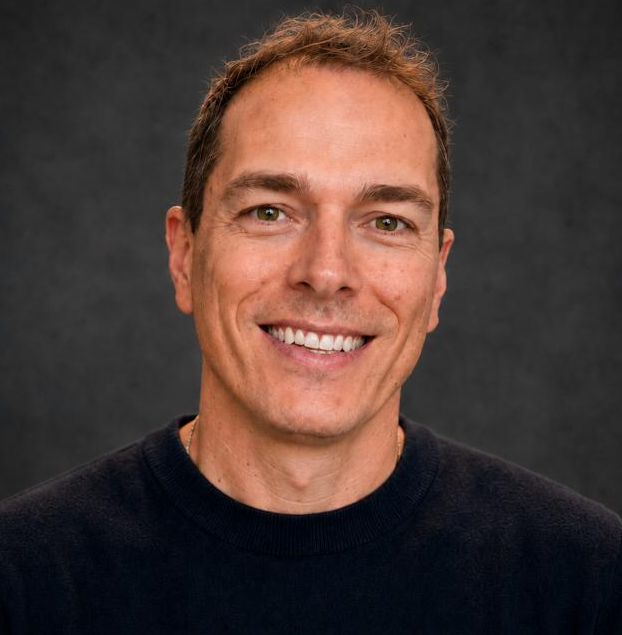
Miguel Guerrero
From Persuasion to Agency Transfer: Frontier AI, Manipulation, and the Extreme Concentration of Democratic Power
Miguel is an AI governance researcher and practitioner. He has served as AI Advisor to the Office of the Prime Minister of Spain, founded Saturdays.AI, a nonprofit widening access to AI education that has helped launch hundreds of AI for Good projects, and is a two-time entrepreneur. He has three daughters, who are one of the reasons he cares deeply about the long-term governance of advanced AI. He loves sci-fi, anime, alternate history, the Mediterranean, and hiking in the Pyrenees.
-
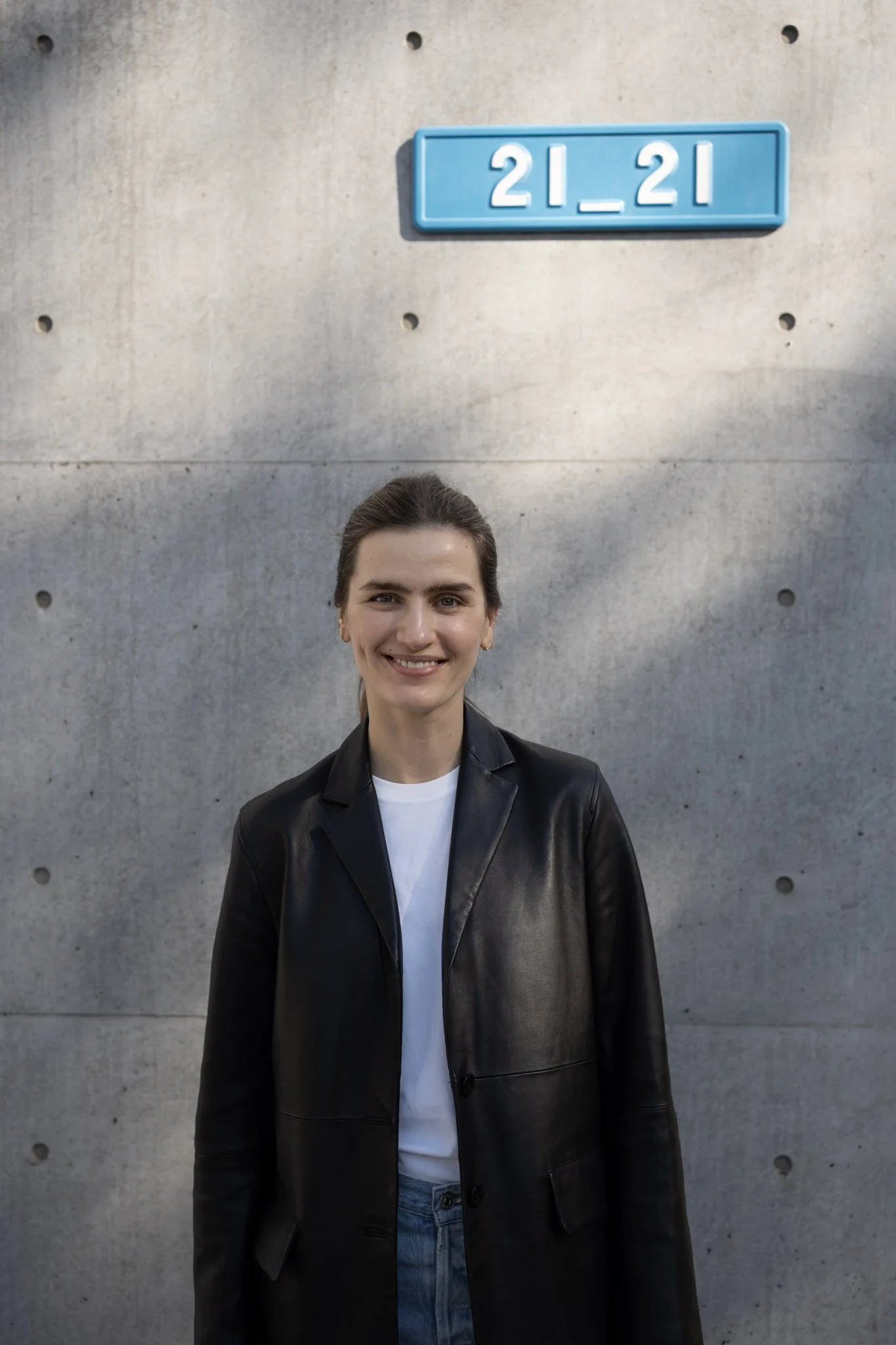
Anastasia Gnatenko
An operational design for AI incident reporting in UK public services
Anastasia is working on the intersection of regulation, AI, and emerging technology. She has spent a decade at Google across privacy, Quantum AI external affairs, and regulatory readiness, including work on quantum computing policy and outreach, government capacity-building, and previously worked at the Ukrainian MFA and the UN. At ERA, she is exploring how governments can build the practical capacity needed to govern advanced AI effectively.